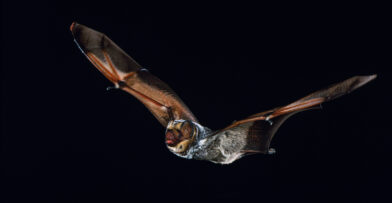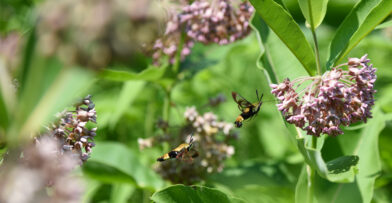
Autumn offers plenty of opportunities to support Wisconsin wildlife through actions you can take in your own outdoor spaces. As fall migratory birds rest and refuel for their next journey and insects search for shelter to enter diapause—a period of suspended growth due to lower temperatures and limited food—your yard can become a vital refuge. In the face of declining animal populations driven by habitat loss, decreased foraging sites, and climate change, local efforts make a meaningful difference for our wild neighbors and visitors.
Plant Native Species
Adding a diverse mix of native plants provides essential food sources for late-season insects, migrating birds, and overwintering animals. You can plant until the first frost or until the ground freezes. As the season progresses, many summer-blooming plants set seeds; incorporating late-blooming varieties like asters (New England, calico, and aromatic) and goldenrods (Ohio, stiff, and showy) supports foraging insects, including bees, moths, and monarch butterflies. Seed-heavy plants such as coneflowers (gray-headed, purple, and pale purple), ironweed, and switchgrass offer vital energy for birds like Dark-Eyed Juncos, White-breasted Nuthatches, and Black-Capped Chickadees as they endure the harsh cold of our winters. These additions not only enhance your yard’s beauty but also invite more nature into your space for discovery and enjoyment.
Skip the Pesticides
While it may be tempting to use herbicides, fungicides, and insecticides to achieve a pristine lawn or reduce mosquitoes during the warmer months, these chemicals carry hidden risks for both wildlife and human health. Common insecticides like neonicotinoids, pyrethrin, and pyrethroids often fail to target pests effectively while harming pollinator insects, birds, and pets. Research links human exposure to these substances with increased risks of cancer, neurological disorders, reproductive issues, and organ damage.
A safer, eco-friendly alternative for managing backyard mosquitoes, while they’re still around, is the mosquito bucket. This low-cost method targets larvae before they mature and requires only basic materials. Online guides can help you set one up easily, offering a practical solution that protects both your family and the ecosystem.
Leave Flower Heads Standing & Leaves on the Ground
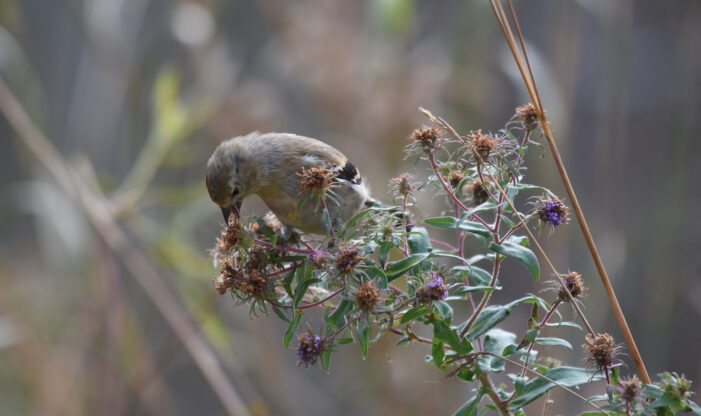
Think of your late autumn garden not as a project to be cleared, but as an important winter sanctuary for local wildlife. Standing stems serve as cozy nurseries for native solitary bees and other larvae, and seed-filled flower heads offer nutritious forage when other food is scarce. Dried standing plants and their seeds also provide habitat and food for overwintering birds such as American Goldfinch and Northern Cardinal as well as winter migratory birds such as Brown Creepers and American Tree Sparrows. Fallen leaf litter provides crucial habitat for overwintering rodents and insects like fireflies and woolly bear caterpillars.
By embracing these simple practices, you can transform your yard into a resilient ecosystem that thrives through the changing seasons.
Sources:
Management of Invasive Plants in the Western USA
Pollinator Partnership
Xerces Society for Invertebrate Conservation