

Migration Madness 2026 Voting
As spring arrives, so do many bird species returning to Wisconsin. To celebrate, we’re hosting Migration Madness, a friendly bracket-style competition where you can vote for your favorite birds! We started with 16 species found across the diverse habitats of Schlitz Audubon, and now we’re down to the Championship Round. Join the fun and see if you can pick the winner!
Voting Schedule:
Round 1 Voting | 8 Matchups | March 13 – 18
Round 2 Voting | 4 Matchups | March 19 – 22
Final Four Round Voting | 2 Matchups | March 23 – 25
Championship Round Voting | 1 Matchup – Choose Your Champion! | March 26 – 29
Champion Announced | March 30
Championship Round Matchup
Northern Saw-whet Owl
Aegolius acadicus
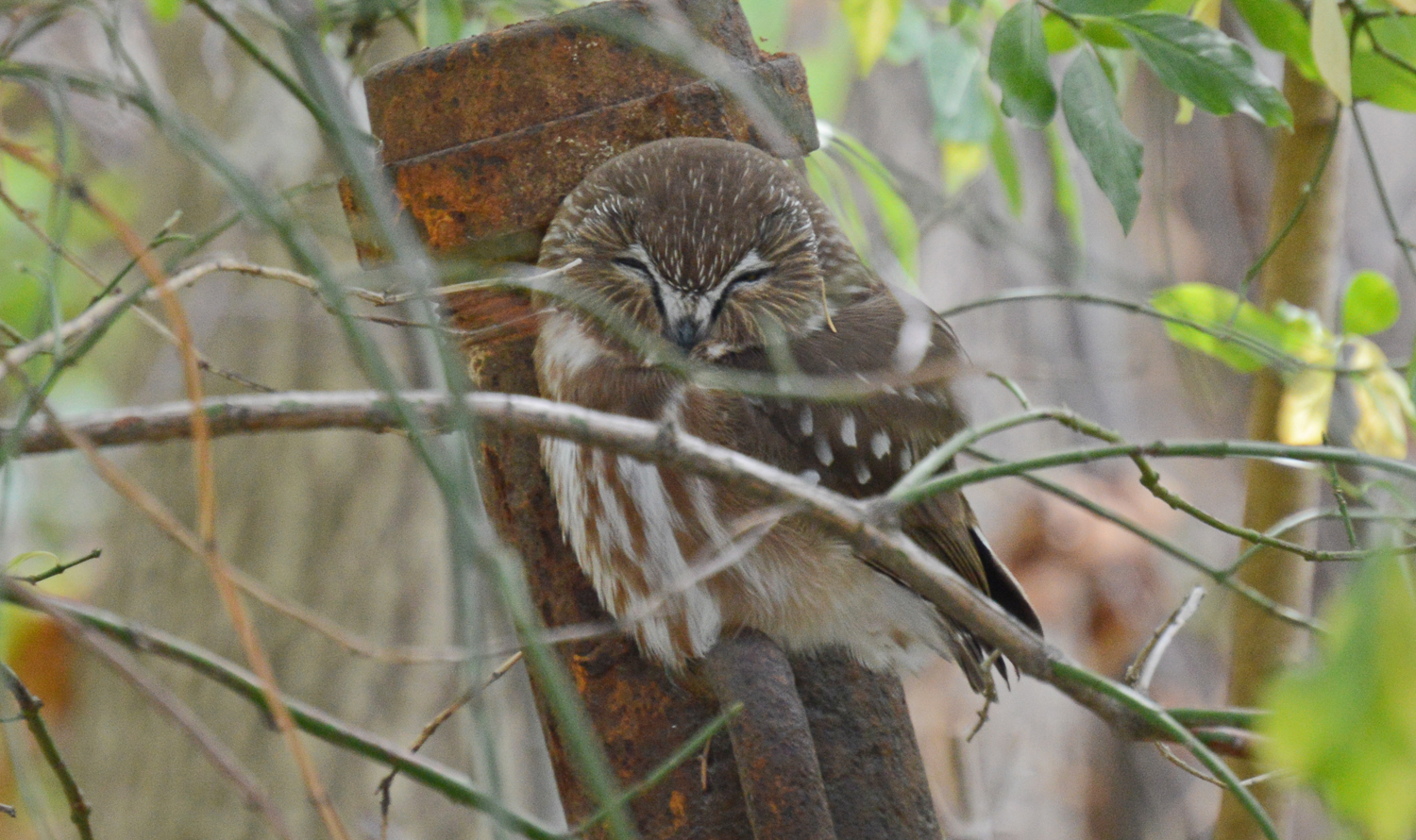
The Northern Saw-whet Owl is the smallest owl in Wisconsin, around eight inches in length as adults. Though quite petite, they are fierce predators for many small mammals and insects, using their large yellow eyes to spot prey from great distances. These owls are common year-round residents in Wisconsin but seldom seen.
Fun Fact:
Northern Saw-whet Owls are named after their call, which sounds similar to a saw being sharpened on a whetstone.
Habitat & Where to See at Schlitz Audubon:
Northern Saw-whets are elusive and difficult to spot, so they could be on the Schlitz Audubon property without anyone knowing. They prefer evergreens and dense foliage, so keep an eye out along the forested trails.
Nesting & Breeding:
These owls breed from January through May and can have more than one clutch in a year. They are cavity nesters and do not add much to their nests inside their selected tree cavity. Females are known to choose the nest, which is often an excavated hole made by a woodpecker. Northern Saw-whet Owls mate for life.
Ruby-throated Hummingbird
Archilochus colubris
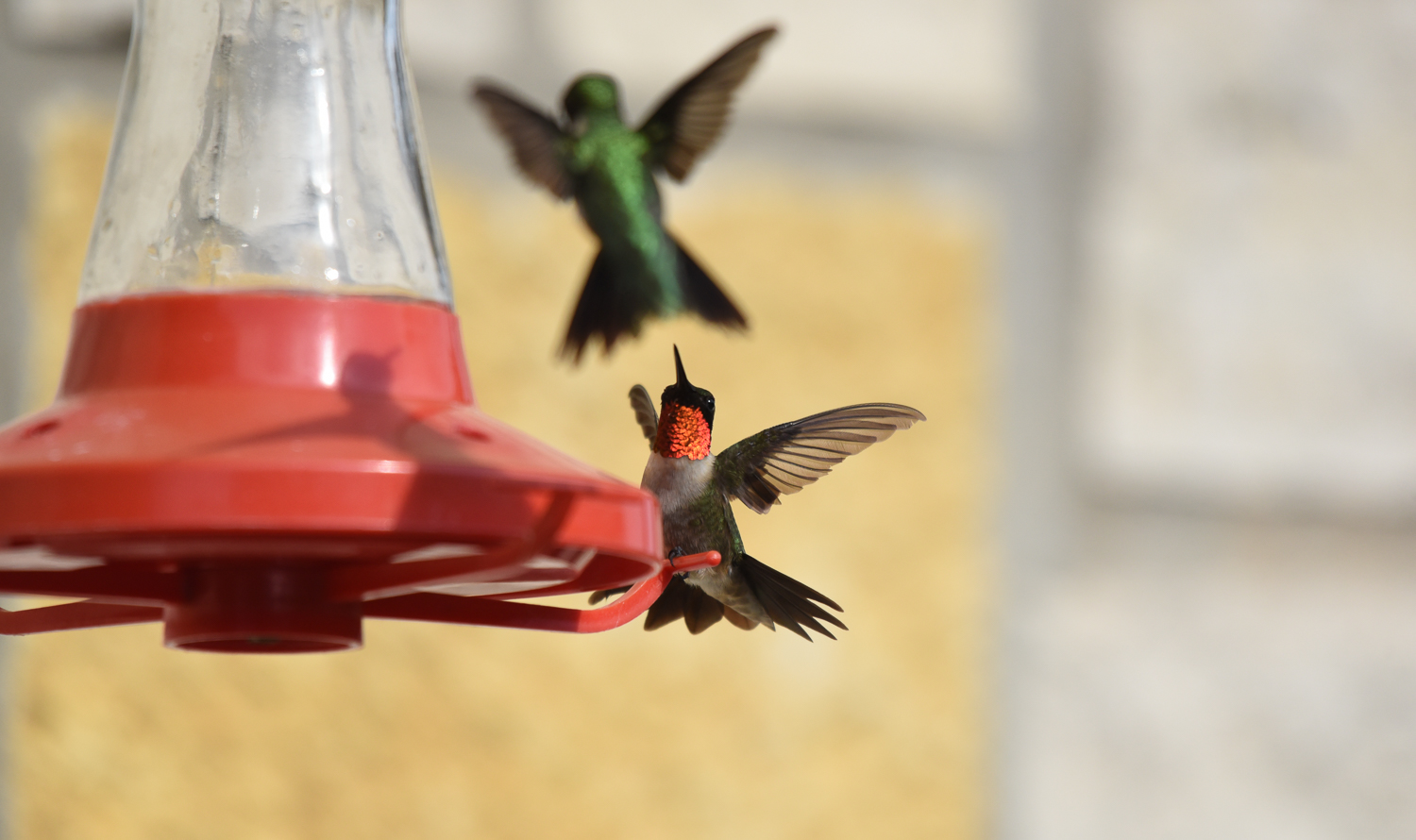
The only hummingbird species to breed in eastern North American, the diminutive Ruby-throated Hummingbird’s diet consists mostly of nectar from flowers. However, they do supplement their diet with insects like small spiders. They have the incredible ability to hover, with wings often beating 50 times per second or more, and seem to “hum” as they flutter, hence the name. This jewel-toned bird has an iridescent green back and the males sport a flashy red throat.
Fun Fact:
A Ruby-throated Hummingbird’s heart can beat up to 1,260 times per minute, over 20 times the average human heart rate at rest.
Habitat & Where to See at Schlitz Audubon:
Ruby-throated Hummingbirds can be found in places which have both coniferous and deciduous trees, as they need trees to nest, perch, and for cover. We can expect to see these aerial acrobats at tubular nectar feeders from mid-May to mid-August. If you walk along the Center’s Lake Terrace loop and spot wild bergamot or cardinal flower, keep an eye out for their quick, flitting activity.
Nesting & Breeding:
Female Ruby-throated Hummingbirds are responsible for the construction of their tiny, 2-inch diameter nests, where they lay one to three jellybean-sized eggs. They often build their nests high off the ground in the drooping branches of deciduous trees.
Want to be notified when the next polls open? We’ll send you an email!
"*" indicates required fields