
Migration Madness 2026 Voting
As spring arrives, so do many bird species returning to Wisconsin. To celebrate, we’re hosting Migration Madness, a friendly bracket-style competition where you can vote for your favorite birds!
We’re starting with 16 bird species found across the diverse habitats of Schlitz Audubon (hence the bracket names!). Each round, birds go head-to-head in matchups and your votes decide which ones advance. Along the way, you’ll discover fun facts about each species—maybe even learn about a few new ones. Join the fun and see if you can pick the winner!
Voting Schedule:
Round 1 Voting | 8 Matchups | March 13 – 18
Round 2 Voting | 4 Matchups | March 19 – 22
Semi-Final Round Voting | 2 Matchups | March 23 – 25
Final Round Voting | 1 Matchup – Choose Your Champion! | March 26 – 29
Champion Announced | March 30
Click through each tab below to submit your votes for all habitat types (Central Wetlands, Lake Terrace, Woodland, and Western Meadows).
Round #1 Matchups
Matchup #1
Red-winged Blackbird
Agelaius phoeniceus
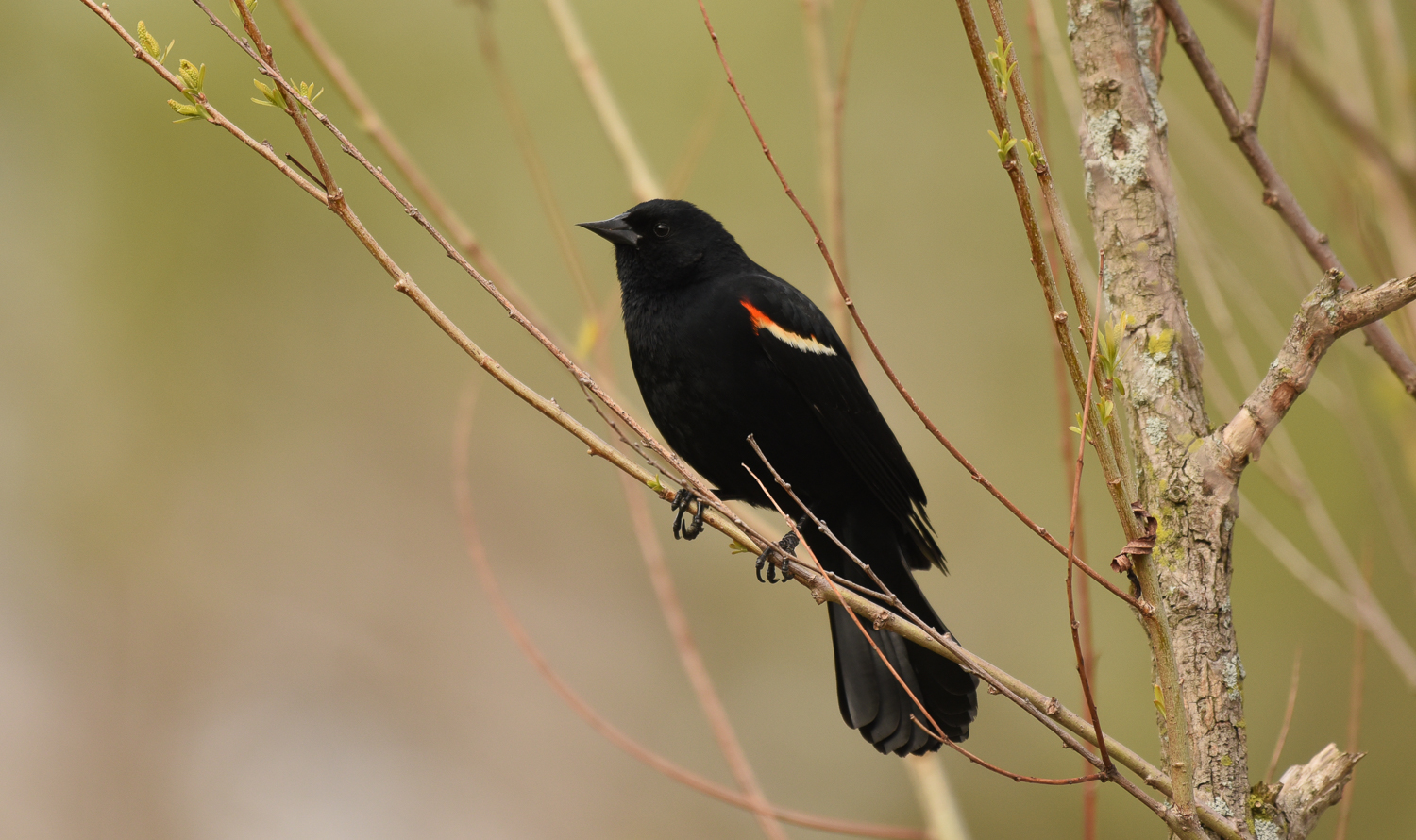
The male Red-winged Blackbird’s coloration is true to its name. The female, by contrast, is well camouflaged, sporting heavily streaked brown plumage. These birds are highly territorial and are known for attacking anyone who comes close to their nest, including other members of their species, larger raptors, and even people!
Cedar Waxwing
Bombycillia cedrorum
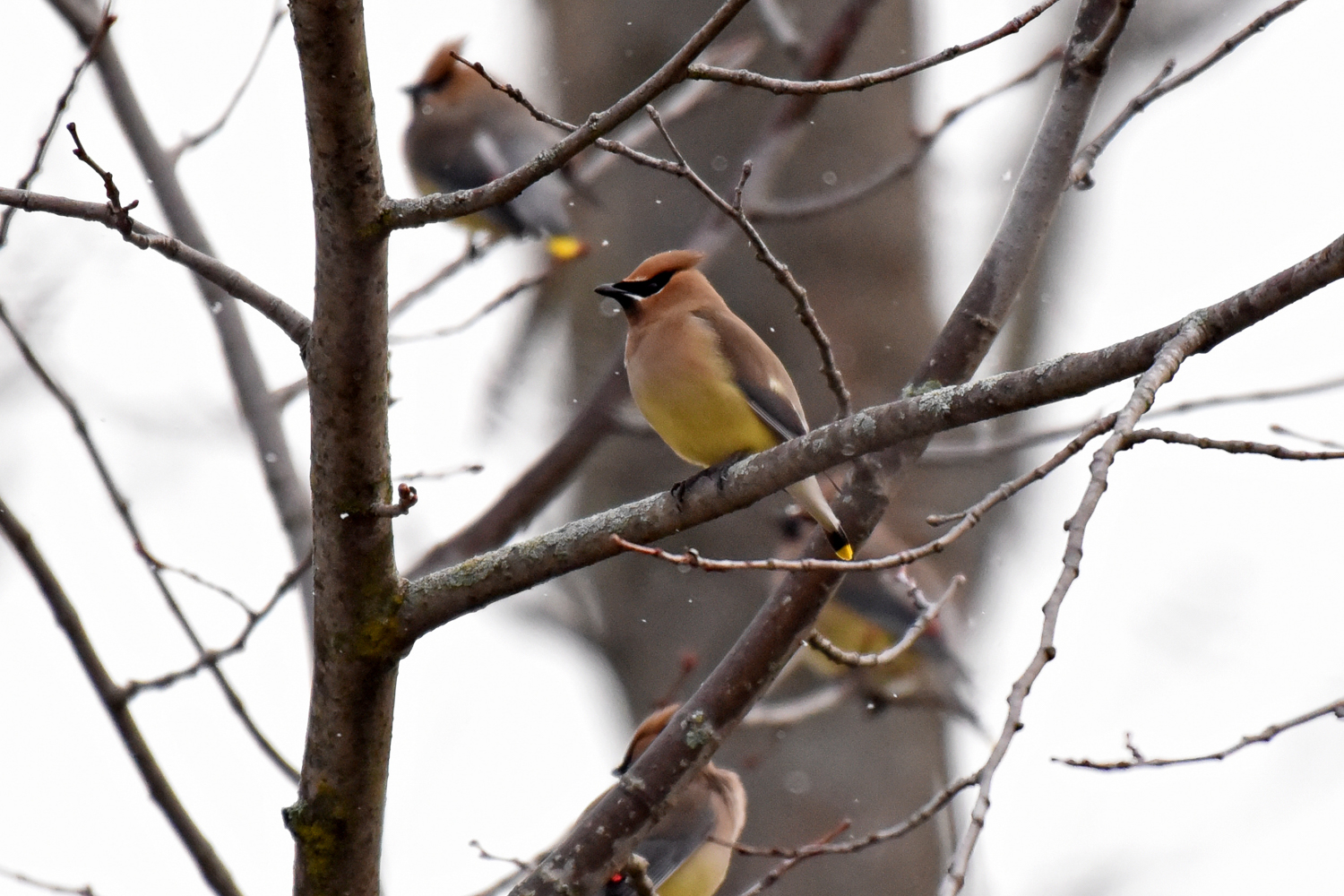
Cedar Waxwings are a small and colorful member of the waxwing family, identified by their sleek black bandit mask, yellow-tipped tail, and waxy red tips on their secondary flight feathers. They are a nomadic species and will move rather irregularly between breeding and wintering territories, changing nesting and wintering territories on a regular basis. Listen closely for their high-pitched “sighing” whistle.
Matchup #2
American Robin
Turdus migratorius
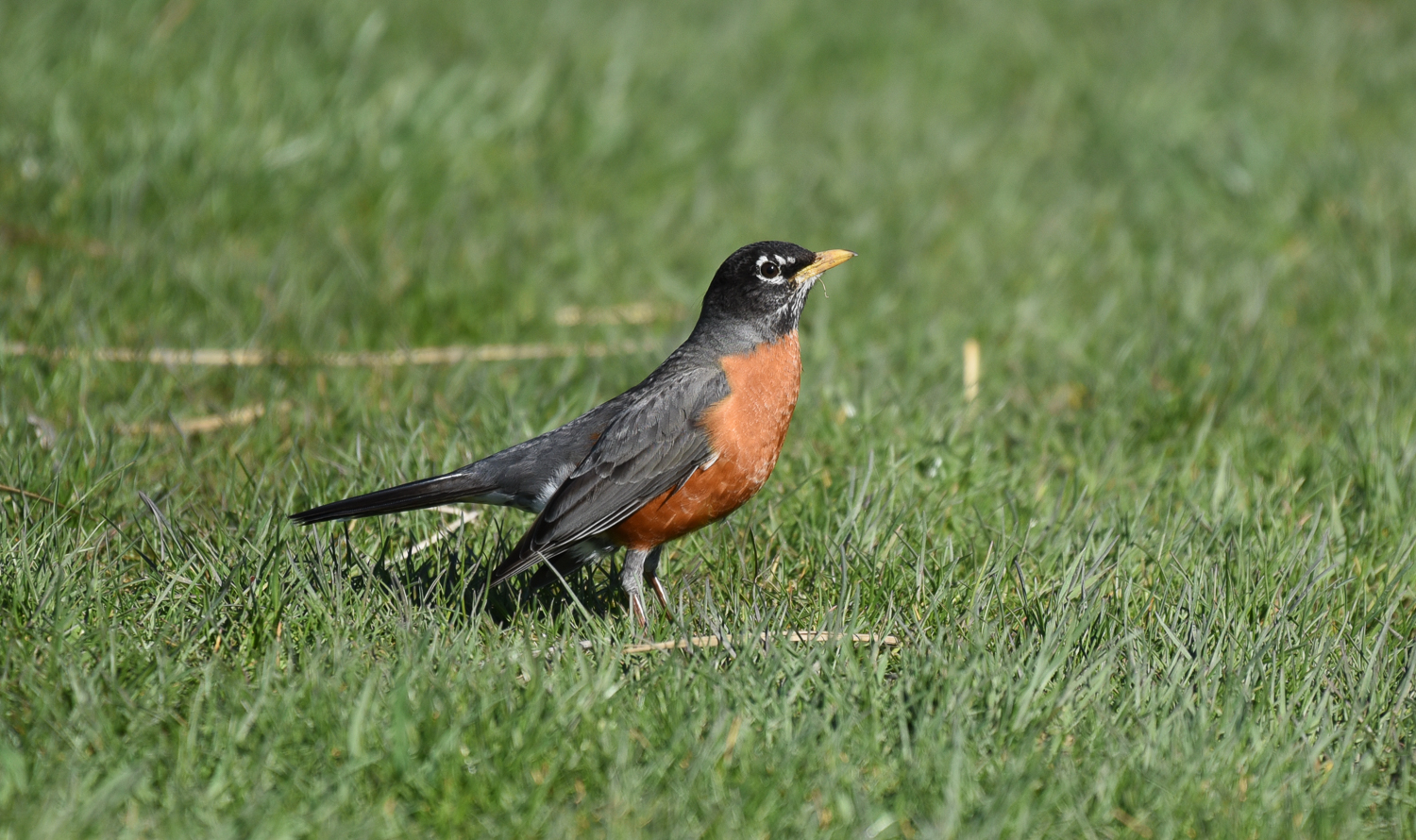
Wisconsin’s State Bird and largest of the North American thrush species, American Robins have a slate-gray to brown-colored back and wings with a burnt orange breast and belly. They are one of the most widespread songbirds and are a resident species of every state in the continental United States, as well as Canada and Mexico. Their cheerful song is one of Wisconsin’s first signs of spring!
Northern Yellow Warbler
Setophaga aestiva
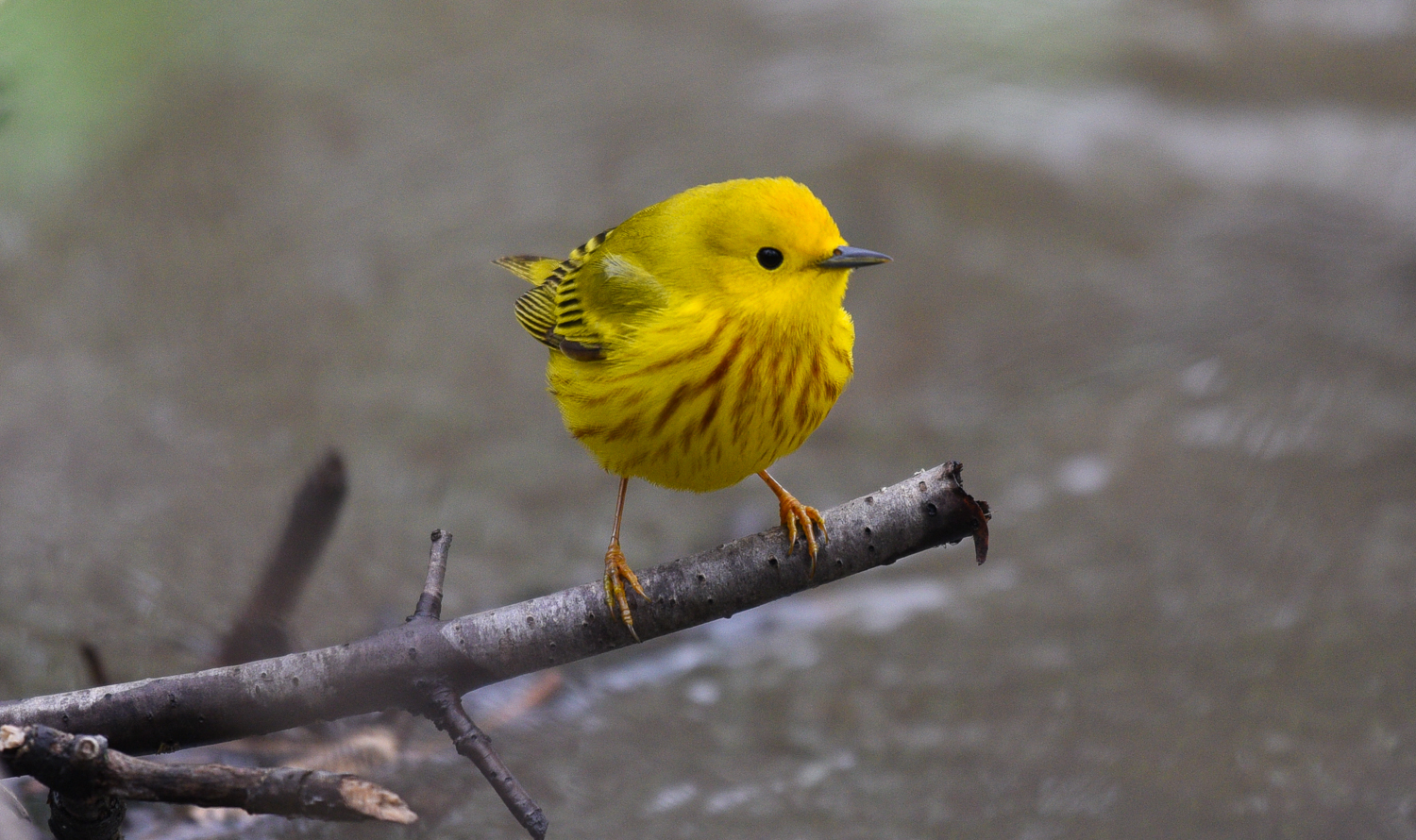
Northern Yellow Warblers are a vibrant species, sporting vivid yellow feathers with chestnut streaks on their chest and olive-green wings. Their faces are accented with large black eyes and no other markings on their heads. Females are a more muted yellow compared to males and lack the chestnut streaking on their chest.
Matchup #1
Belted Kingfisher
Megaceryle alcyon
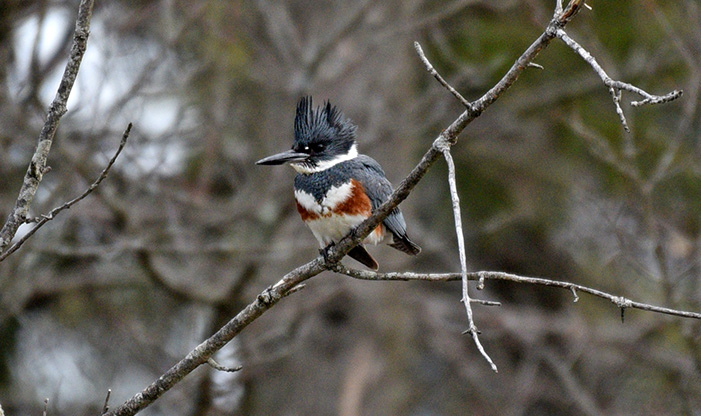
A relatively large perching bird, the Belted Kingfisher bears a tall, messy crest and thick dagger-like bill that contributes to its unique proportions. As their name suggests, the kingfisher diet consists mainly of fish, but they also eat other small animals like amphibians, crayfish, and insects. These hunters choose an overhang like a branch over water to scope out fish below. They may hover in midair before diving headfirst into the water, splashing down to catch a minnow and swallow it whole.
Scarlet Tanager
Piranga olivacea
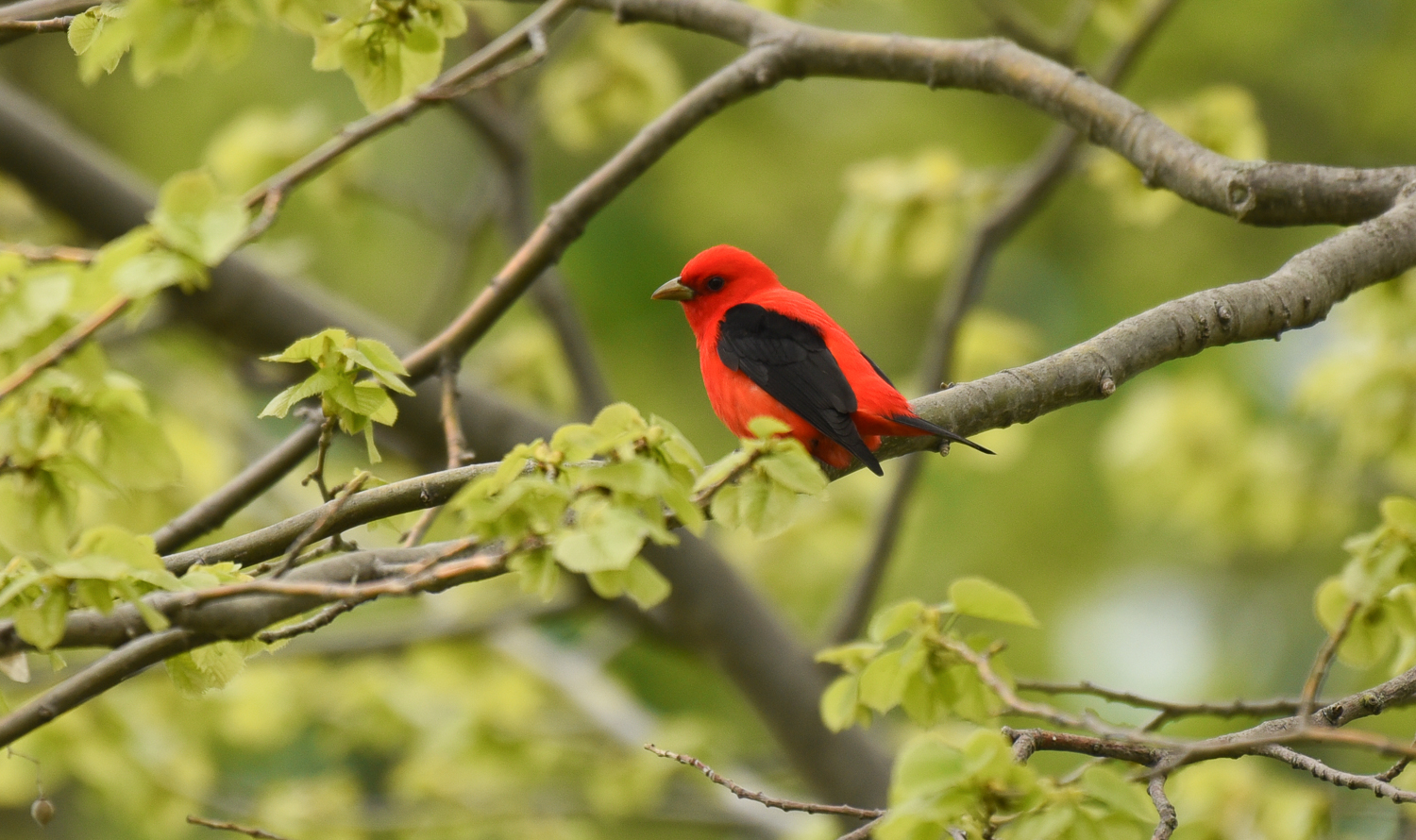
Male Scarlet Tanagers are unmistakable with their brilliant red bodies accented by a black tail and wings. The female’s appearance is more subdued, with a yellow-olive body and dark gray wings. The species is largely insectivorous and relies on a diet of butterfly, moth, and beetle larvae, as well as their adult counterparts. If they arrive early in migration, before insects are available, they forage for buds and other emerging plants.
Matchup #2
Ruby-throated Hummingbird
Archilochus colubris
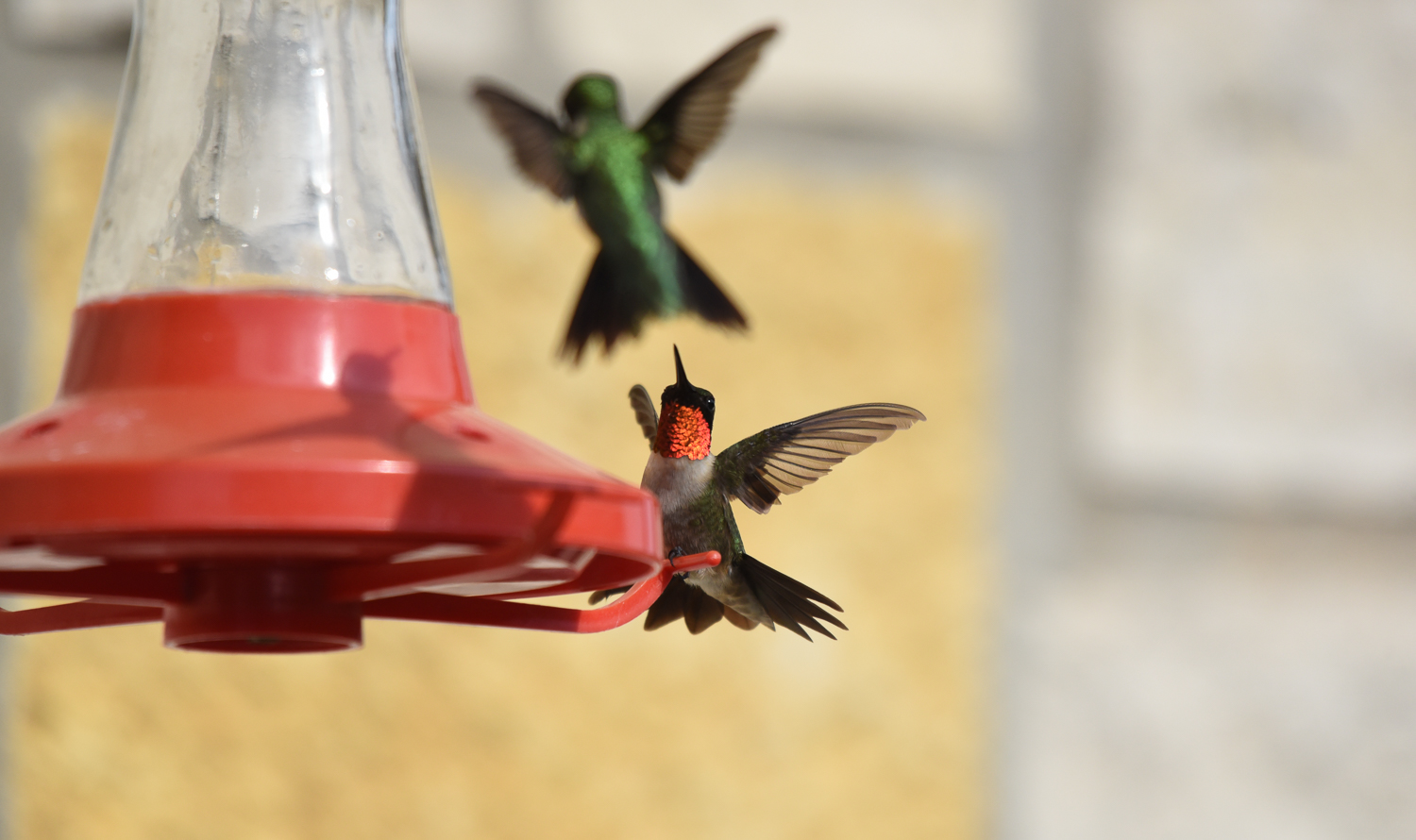
The only hummingbird species to breed in eastern North American, the diminutive Ruby-throated Hummingbird’s diet consists mostly of nectar from flowers. However, they do supplement their diet with insects like small spiders. They have the incredible ability to hover, with wings often beating 50 times per second or more, and seem to “hum” as they flutter, hence the name. This jewel-toned bird has an iridescent green back and the males sport a flashy red throat.
Double-crested Cormorant
Nannopterum auritum
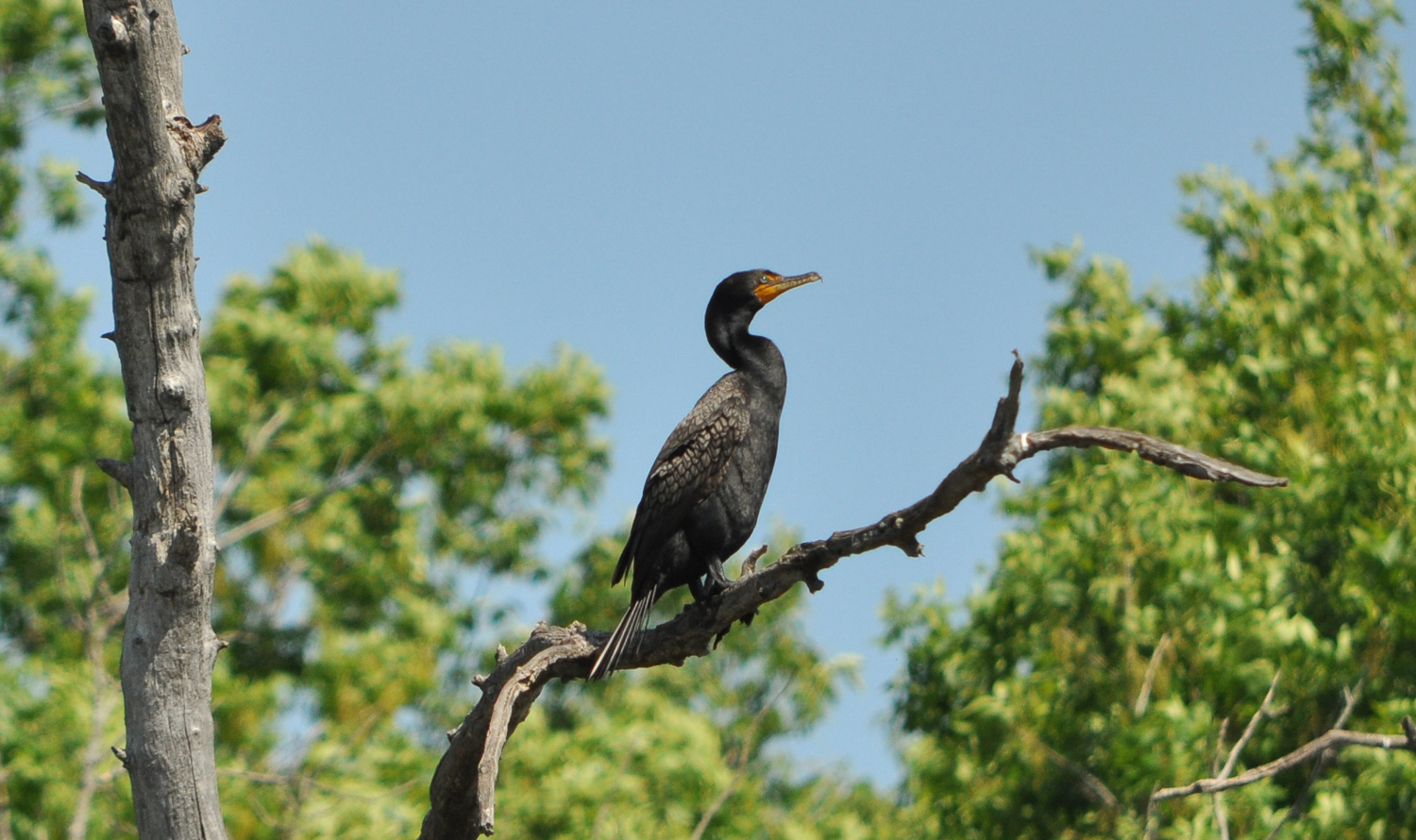
The Double-crested Cormorant is a prehistoric-looking black fishing bird. They have bright yellow-orange skin around their faces. They are the most widespread Cormorant in North America, and most commonly found in freshwater bodies like Lake Michigan. Their heavy bones make them great at diving for small fish.
Matchup #1
Northern Saw-whet Owl
Aegolius acadicus
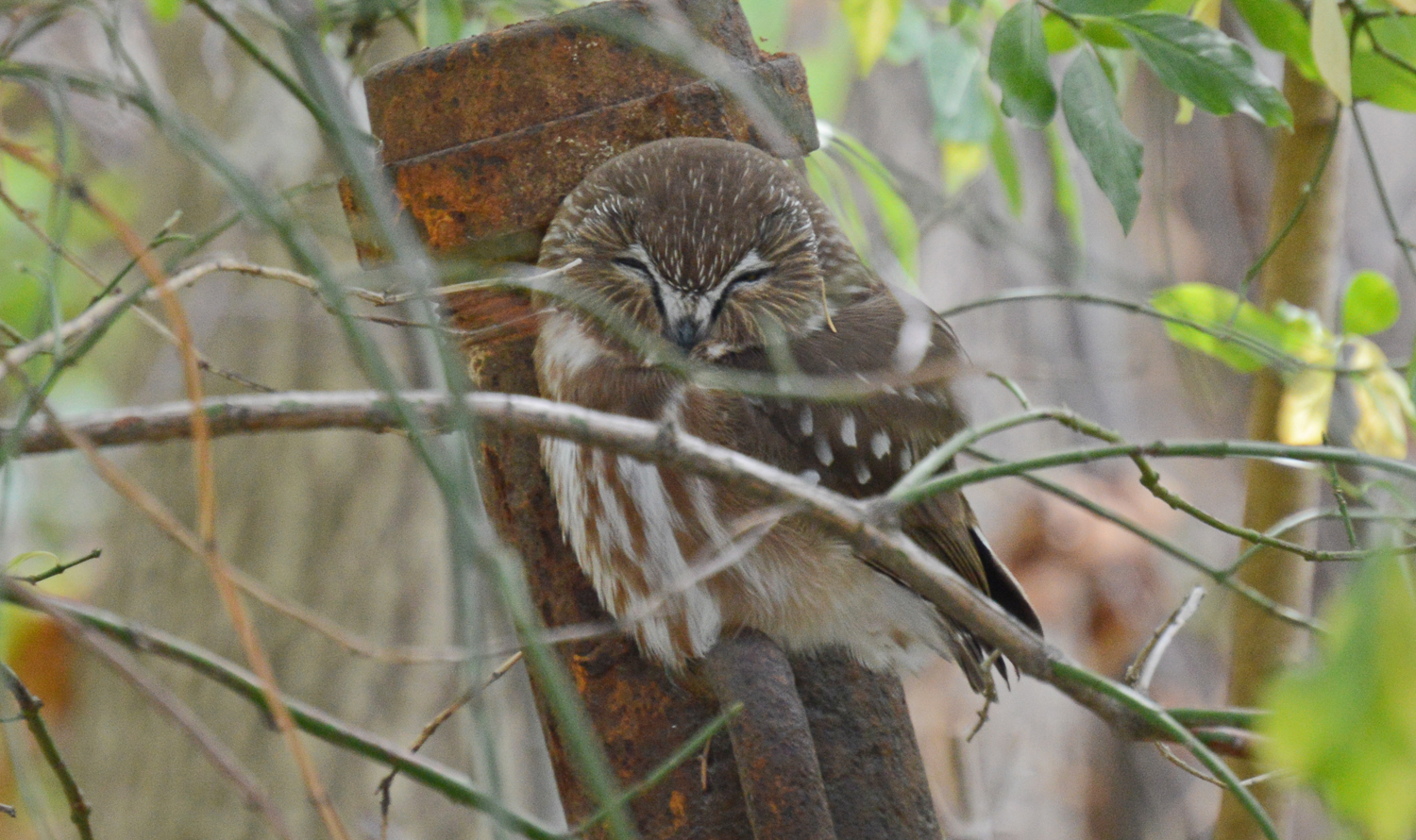
The Northern Saw-whet Owl is the smallest owl in Wisconsin, around eight inches in length as adults. Though quite petite, they are fierce predators for many small mammals and insects, using their large yellow eyes to spot prey from great distances. These owls are common year-round residents in Wisconsin but seldom seen.
Gray Catbird
Dumetella carolinensis
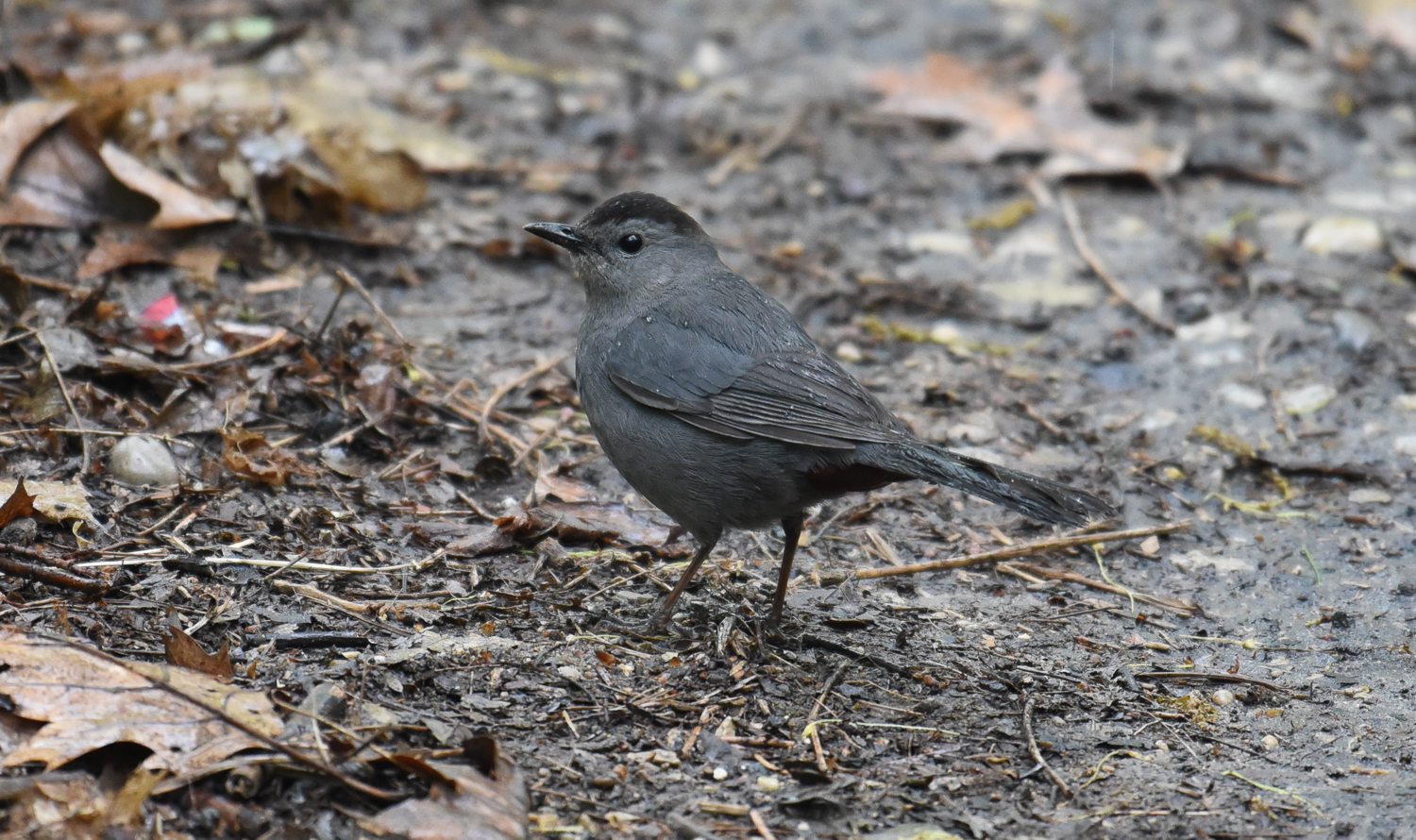
Gray Catbirds are plain in appearance but very vocal! While named “catbird” for their meowing call, their song is an amalgamation of phrases strung together in irregular and unrepeated patterns. A male can sing for up to 10 minutes at a time to attract a mat
Matchup #2
Barred Owl
Strix varia
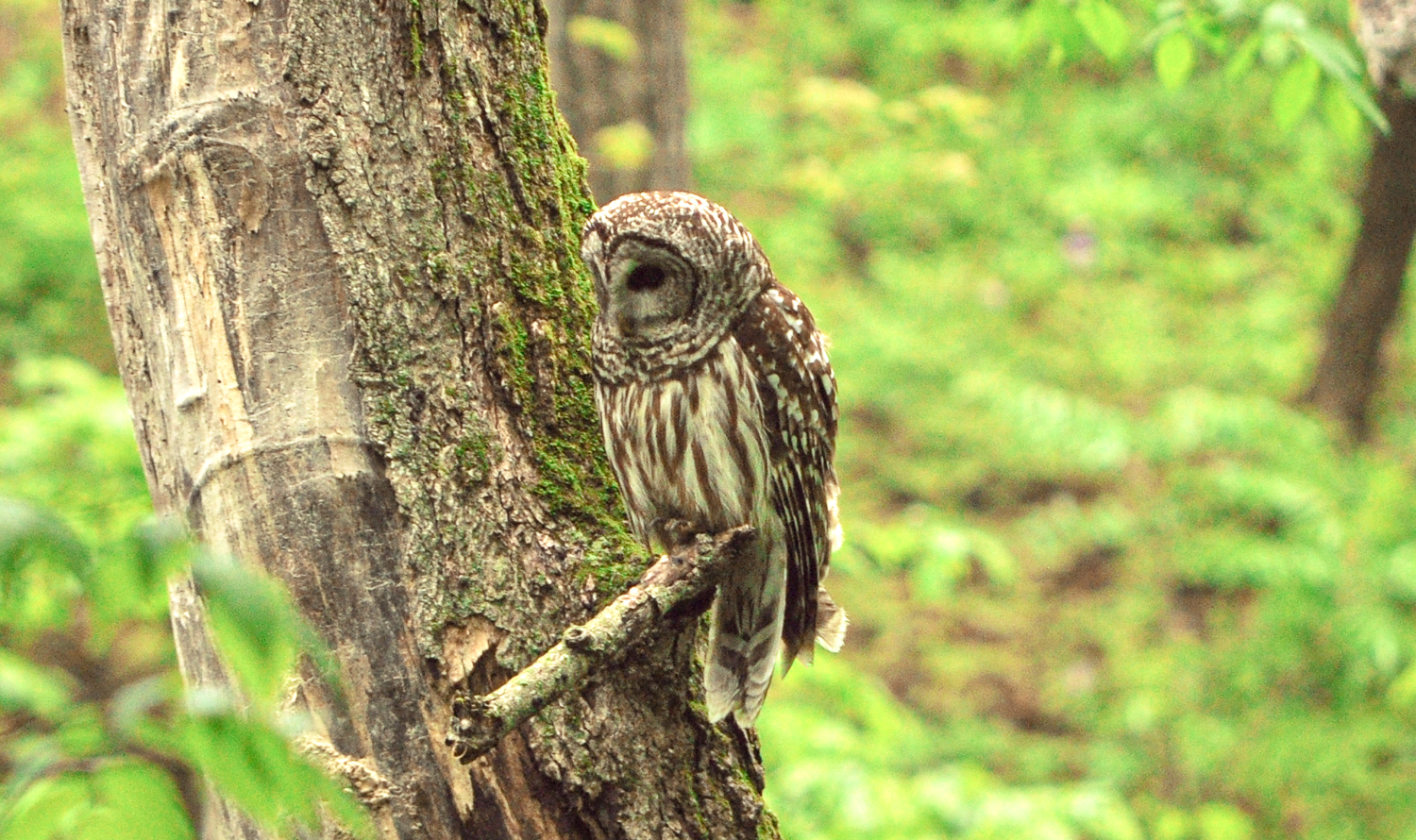
Boasting an intricately patterned brown and white plumage, Barred Owls have a call that many people imitate with the words “who cooks for you!”. They can be hard to spot due to their silent flight, which they use to ambush their prey. Barred Owls are originally a bird of the eastern United States but have made their way to the pacific northwest and into California.
Rose-breasted Grosbeak
Pheucticus ludovicianus
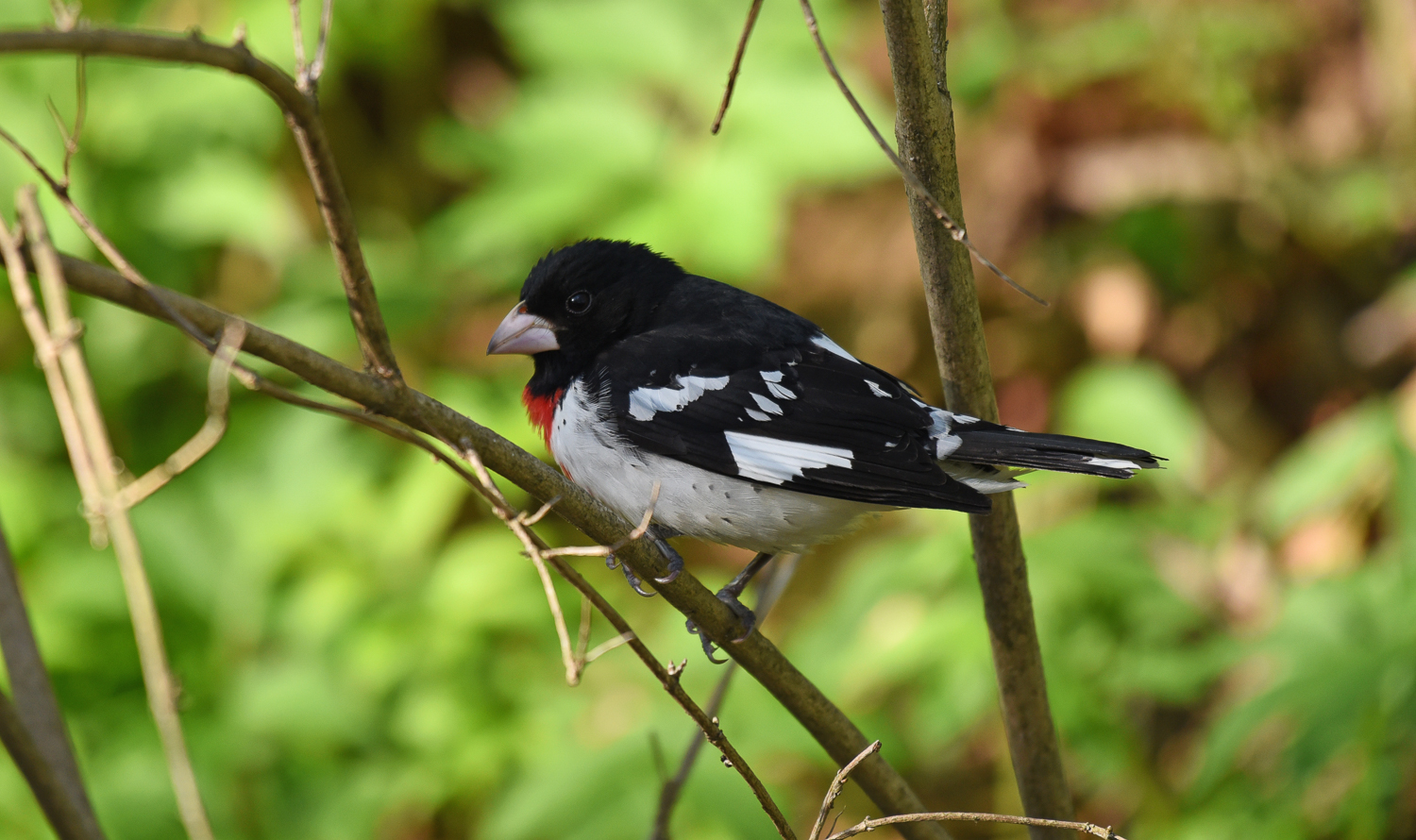
In their tuxedo of black and white with a small but bright triangular patch of red on their chests, Rose-breasted Grosbeaks get their name for their large seed-cracking beaks. Their beaks help distinguish them into the cardinal family. These birds have a song like an American Robin that features a string of whistles.
Matchup #1
American Woodcock
Scolopax minor
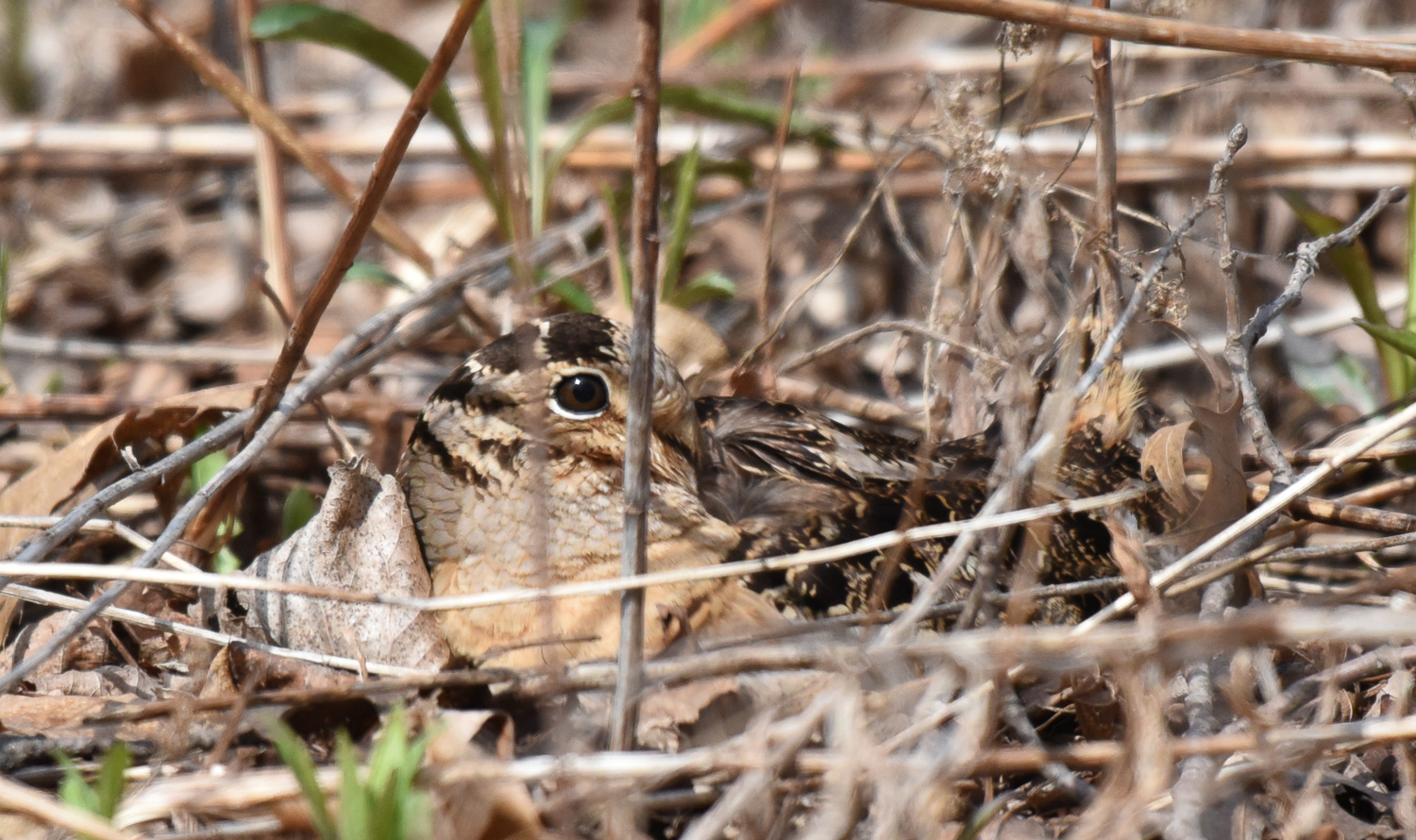
American Woodcocks, also commonly referred to as “Timberdoodles”, are a unique species of shorebird characterized by a short and stout body structure, with short, rounded wings, and a stubby tail. They are well-known by birders for their distinctive and elaborate flight displays and rocking, dance-like walks.
Dark-eyed Junco
Junco hyemalis
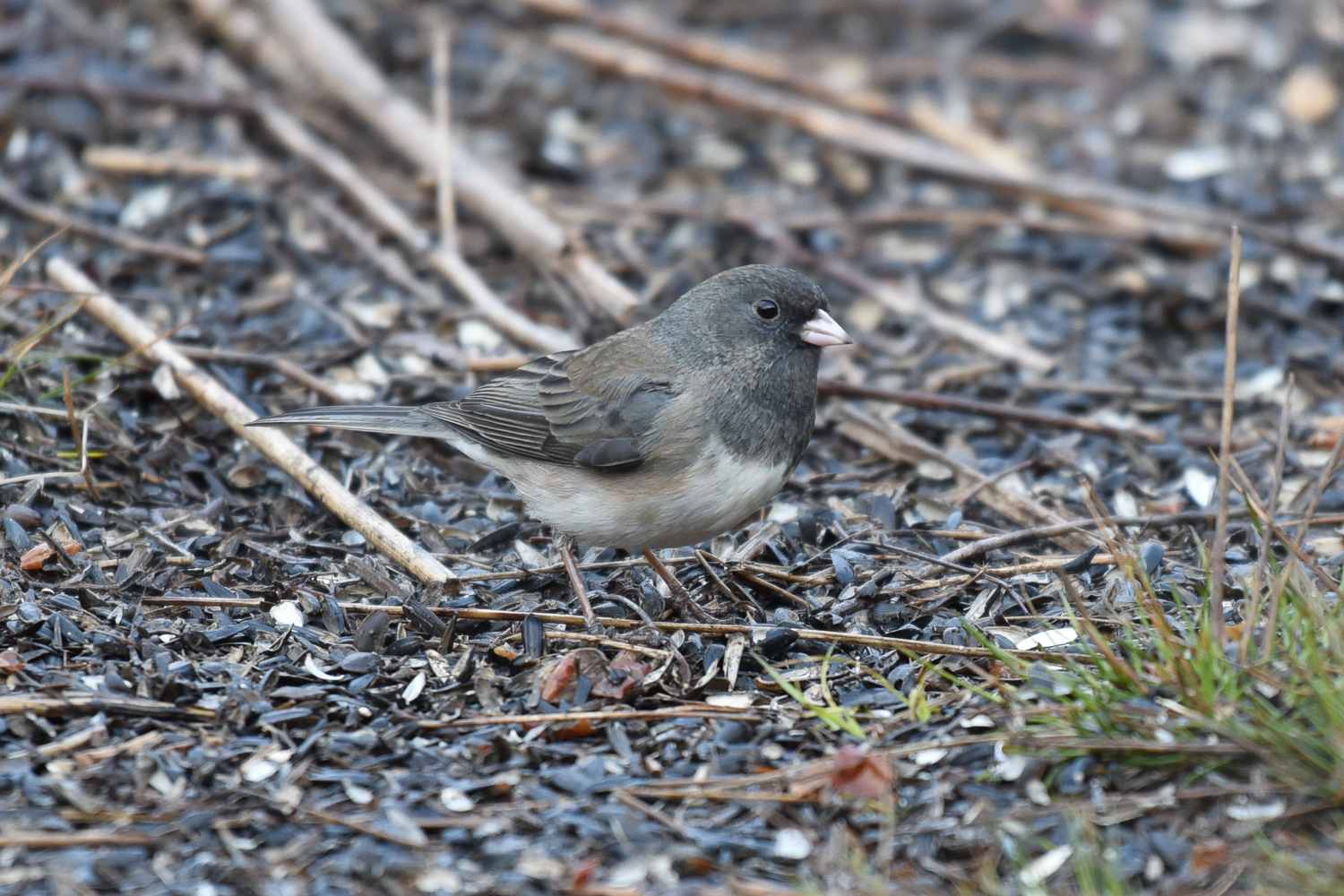
Dark-eyed Juncos are a sleek-looking species of sparrow. They come in six different color morphs, but only the Slate-colored Junco is usually spotted in Wisconsin. Dark-eyed Juncos are a common bird feeder visitor in the winter, when they’ve migrated south from their breeding grounds in Canada.
Matchup #2
Northern Flicker
Colaptes auratus
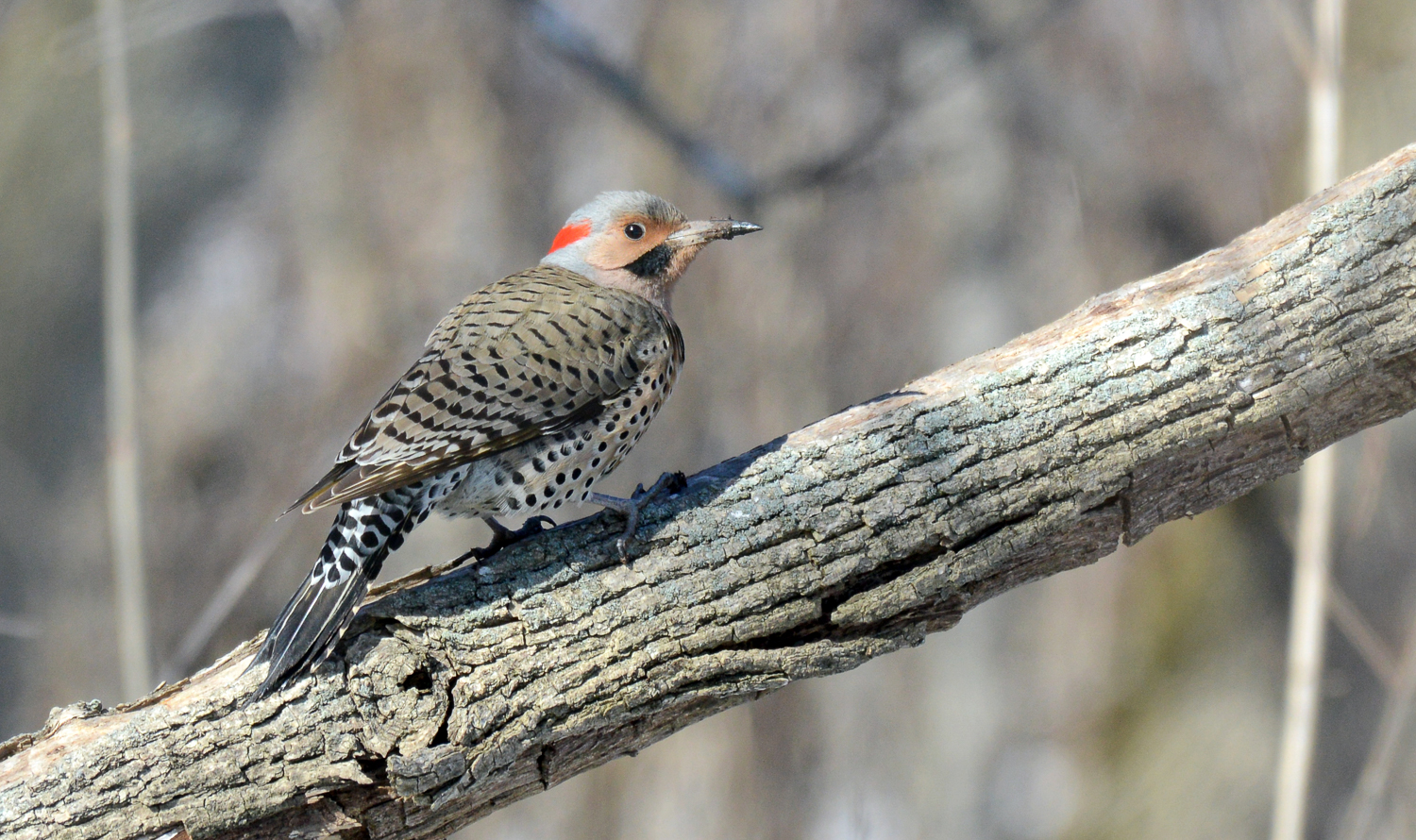
Northern Flickers are a large species of woodpecker, often found foraging in prairies and grasslands. Northern Flickers are generally categorized into two main sub species. While Wisconsin sees primarily the Yellow-Shafted Northern Flicker (Eastern Species), there are historic records of the Red-Shafted (Western species) collected within the state. They are a year-round resident or short-distance migrant, depending on where their breeding ground is located.
Turkey Vulture
Cathartes aura
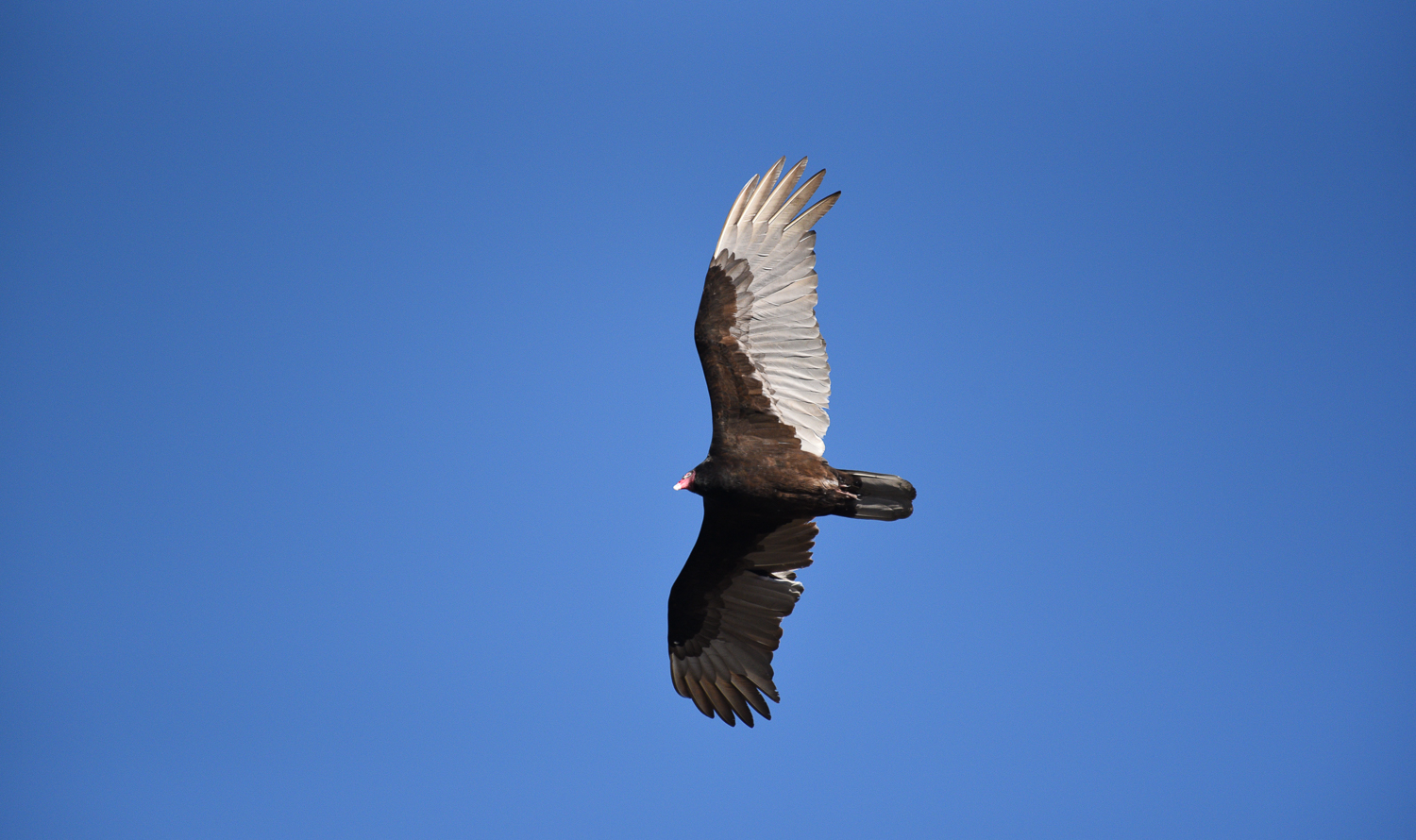
Turkey Vultures are large scavenging birds, standing at 25-32 inches tall with a wingspan of five to six feet. They are covered in large black feathers on their bodies and wings, which stand apart from their pink featherless heads. The lack of feathers on their heads and feet helps them stay clean as they feed on animal carcasses near prairie and woodland edges.
Want to be notified when the next polls open? We’ll send you an email!
"*" indicates required fields